
Living in Style Series: Mediterranean-Style
Timeless and Inviting
Mediterranean-style homes, evocative of the sunny and relaxed lifestyle of regions like Spain, Italy, and Greece, have a timeless appeal that resonates deeply with homeowners in many regions, including Wisconsin and Minnesota. These homes are characterized by their stucco exteriors, red tiled roofs, arched doorways, and an emphasis on indoor-outdoor living. Born from the need to keep homes cool in warm climates, this architectural style combines functionality with aesthetic beauty. Today, the Mediterranean style has been adapted for contemporary living, blending classic elements with modern luxuries.
The history of the Mediterranean home style is rich and varied, drawing influences from the diverse cultures of the Mediterranean region. Originally, these homes were designed with local materials and methods to create comfortable living spaces in warm climates. Features like thick walls, courtyards, and airy rooms helped to regulate indoor temperatures. Over time, the style has evolved, but its key characteristics have remained, making it a popular choice for those seeking a home that combines elegance with a relaxed, holiday-like ambiance.
In places like Wisconsin and Minnesota, incorporating Mediterranean-style elements in home building adds a touch of warmth and exotic charm. Despite the different climate, many homeowners are drawn to the style's focus on craftsmanship, natural materials, and connection to the outdoors. The Mediterranean style offers a unique way to create homes that feel like personal retreats, echoing the laid-back, sun-drenched lifestyle of its regions of origin while providing all the comforts of modern living.
Kitchen
The kitchen in a Mediterranean-style home is a vibrant space, exuding warmth and hospitality. It's designed not just for cooking but as a gathering place for family and friends, reflecting the Mediterranean culture's emphasis on communal meals and lively conversation. In such a kitchen, an open layout is key, providing ample space for cooking and socializing. High ceilings and large windows ensure the room is bathed in natural light, enhancing the inviting atmosphere. The color palette typically includes warm hues like terracotta, sunny yellows, and sea blues, reflecting the picturesque landscapes of the Mediterranean region.
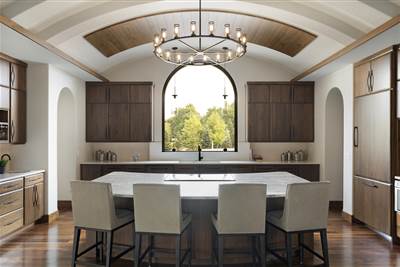
Cabinetry in a Mediterranean kitchen often features ornate woodworking, with cabinets made of rich, dark woods or painted in warm colors. Traditional features like wrought iron hardware or hand-painted tiles add character and a touch of rustic charm. Countertops are typically made of durable and luxurious materials like granite or marble, offering both functionality and aesthetic appeal. Open shelving is a popular choice, providing an opportunity to display decorative earthenware or pottery, adding to the kitchen's rustic Mediterranean feel.
Central to the Mediterranean kitchen is a large island, serving as the heart of the space. This focal point is not only functional for meal preparation but also acts as a communal spot for family and friends to gather around. Overhead, you might find hanging pot racks or ornate light fixtures, adding both practicality and a decorative element to the room. Floors are often made of terracotta tiles or natural stone, contributing to the kitchen's authentic Mediterranean look and feel.
The Mediterranean kitchen is a blend of form and function. Decorative details like mosaic backsplash tiles, herb plants, and colorful ceramics infuse the space with personality and warmth. Modern appliances, cleverly integrated to maintain the traditional aesthetic, ensure the kitchen meets contemporary culinary standards. This harmonious blend of old-world charm and modern convenience makes the Mediterranean kitchen a beloved and central part of the home.
Sauna
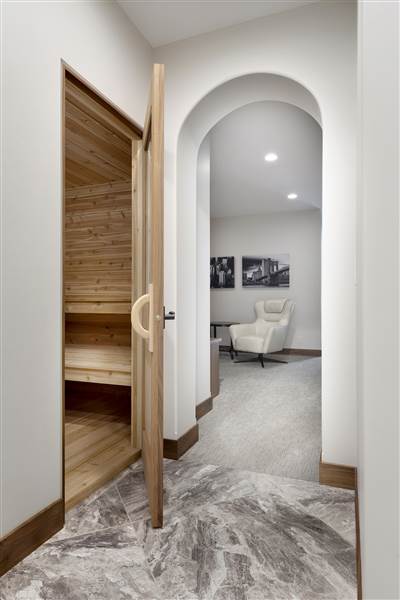
Incorporating a sauna into a Mediterranean-style home brings an element of luxury and relaxation, reminiscent of the region's indulgent spas and bathhouses. The design of a Mediterranean sauna combines the traditional aspects of sauna culture with the aesthetic elements of Mediterranean architecture. Natural materials like stone and wood are prominent, creating a space that feels both luxurious and grounded in nature. The interior is typically spacious, allowing for a comfortable and relaxing sauna experience.
The walls and benches in a Mediterranean sauna are often made of wood, such as cedar or hemlock, known for their durability and aromatic qualities. The wood tones bring warmth to the space, while the texture adds a natural, rustic charm. In some designs, stone elements are incorporated, either in the flooring or as accent walls, enhancing the sauna's connection to the Mediterranean landscape. Soft, ambient lighting is essential, creating a soothing atmosphere that encourages relaxation and tranquility.
Ventilation and heating are key functional aspects of the sauna design. A traditional wood-burning stove or a modern electric heater can be used, depending on preference and practicality. The heating element is often encased in natural stone, not only for safety but also to add an aesthetic appeal. Windows or skylights can be included to bring in natural light, enhancing the serene environment and providing a view of the outdoors.
The Mediterranean sauna is a place for rejuvenation and relaxation. It's a private retreat within the home where one can unwind and detoxify in a serene setting. Decorative touches like plush towels, essential oil diffusers, and soft music can transform the sauna into a spa-like sanctuary. This space becomes an oasis of well-being, blending the health benefits of traditional saunas with the luxurious and relaxing ambiance of Mediterranean design.
Dining Room
The dining room in a Mediterranean-style home is an embodiment of the region's convivial dining culture. It's designed to be both welcoming and elegant, suitable for casual family meals as well as formal gatherings. The architecture typically features open spaces with easy access to outdoor areas, promoting a seamless flow between indoor and outdoor dining. Large windows or doors opening to a patio or garden area are common, allowing natural light to fill the room and offering picturesque views.
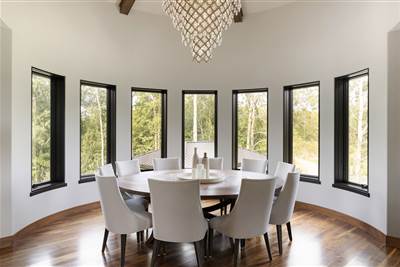
Furniture in the Mediterranean dining room is often substantial and rustic, reflecting the style’s emphasis on durability and timeless beauty. A large wooden dining table, often in a dark finish or with ornate carvings, serves as the centerpiece. Chairs are comfortable and sturdy, with upholstery in warm, earthy tones or vibrant Mediterranean patterns. The overall furniture arrangement encourages communal dining and long, leisurely conversations.
Lighting in the dining room is a crucial element, with a preference for warm, ambient fixtures. Chandeliers or wrought iron light fixtures are popular choices, adding a touch of elegance and complementing the room's rustic aesthetics. Recessed or wall-mounted lights can also be used to create a softer, more intimate dining atmosphere. The use of candles, whether on the table or in decorative sconces, adds to the room's warm and inviting ambiance.
Decor in a Mediterranean dining room often includes elements that reflect the region's rich cultural heritage. Wall art, pottery, and textiles featuring Mediterranean motifs add color and character. The use of natural materials like stone, wood, and ceramics in decorative elements reinforces the connection to the Mediterranean landscape. This dining room is not just a place to eat; it's a space that celebrates the joy of food, family, and the Mediterranean way of life.
Living Room
The living room in a Mediterranean-style home is a space of casual elegance and comfort. It's designed to be both inviting and aesthetically pleasing, reflecting the laid-back yet sophisticated lifestyle of the Mediterranean. The architecture often features high ceilings and large, open spaces, enhancing the sense of airiness and spaciousness. Exposed wooden beams on the ceiling are a common design element, adding a rustic charm and warmth to the room.
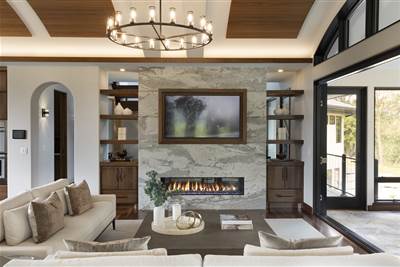
In terms of furnishings, the Mediterranean living room combines comfort with style. Plush sofas and armchairs in neutral or warm tones are often arranged to encourage conversation and relaxation. Decorative pillows and throws in vibrant colors or patterns add a splash of Mediterranean flair. Furniture is typically made of natural materials like wood, wrought iron, or wicker, contributing to the room's organic feel. Floors are often tiled in terracotta or adorned with patterned area rugs, providing both beauty and practicality.
The living room's decor is a thoughtful blend of functionality and aesthetic appeal. Artwork and decorative items often draw inspiration from the Mediterranean, with themes reflecting the sea, sun, and natural landscape. Indoor plants are commonly used to bring a touch of nature indoors, enhancing the room's connection to the outdoors. Large windows are dressed with light, airy curtains that allow natural light to filter through, creating a bright and welcoming atmosphere.
The Mediterranean living room is more than just a sitting area; it's a space for living and enjoying life. The design encourages a relaxed lifestyle, where comfort and beauty coexist harmoniously. It's a room where families can gather, guests can be entertained, and quiet moments can be savored, all within a setting that captures the essence of Mediterranean charm.
Outdoor Living
Outdoor living is a fundamental aspect of Mediterranean-style homes, reflecting the region's love for nature and al fresco living. These spaces are designed to be an extension of the indoor living area, providing a seamless transition between the inside and outside of the home. Patios, terraces, and courtyards are common features, often equipped with comfortable seating areas, dining spaces, and outdoor kitchens. The use of natural stone in flooring and walls creates a rustic yet elegant outdoor environment.
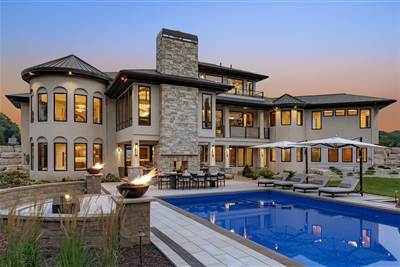
Landscaping in Mediterranean outdoor spaces focuses on creating a lush and inviting atmosphere. Plants such as olive trees, lavender, rosemary, and citrus trees are popular choices, adding fragrance and beauty to the garden. Water features like fountains or small ponds are often incorporated, providing a soothing presence and enhancing the sense of tranquility. Outdoor lighting is carefully planned to highlight architectural details and create a warm, welcoming ambiance in the evenings.
Furnishings in Mediterranean outdoor spaces are both stylish and durable, designed to withstand the elements while providing comfort. Wrought iron or wood furniture with plush cushions offers the perfect setting for outdoor relaxation and entertainment. Pergolas or covered patios provide shade and create an intimate setting for dining or lounging. Decorative elements like mosaic tiles, pottery, and wrought iron accents add character and a touch of Mediterranean charm.
The outdoor living space in a Mediterranean-style home is not just an area; it's a lifestyle choice. It's a place where one can enjoy the beauty of nature, entertain friends and family, or simply relax in a serene setting. The design of these spaces is focused on maximizing the enjoyment of the outdoors, making them an integral part of the home and a reflection of the Mediterranean's love for nature and comfortable living.
Conclusion
The Mediterranean home style, with its sun-kissed hues, rustic elegance, and a distinct nod to nature, holds a timeless appeal that transcends regional boundaries. It brings to life a sense of warmth, comfort, and relaxed sophistication, making it a coveted architectural choice for homeowners in diverse locales, including Wisconsin and Minnesota. This style is not just about creating a house; it's about crafting a home that celebrates a lifestyle - one that values leisure, family, and a deep connection with the environment.
In today’s fast-paced world, the Mediterranean style offers a retreat into a space that is both tranquil and rejuvenating. For homeowners in Wisconsin, Minnesota, and beyond, adopting this style means bringing a slice of the Mediterranean’s charm and relaxed ambiance into their everyday lives. Whether through a sprawling villa or a modestly sized home, the principles of Mediterranean architecture can be adapted to suit various landscapes and lifestyles, proving the versatility and enduring popularity of this style.
In conclusion, the Mediterranean home style stands as a testament to the enduring desire for spaces that are both elegant and comfortable. It encapsulates a way of living that is relaxed yet refined, bringing together the best of both worlds. As more homeowners seek to create personal havens that reflect their style and values, the Mediterranean style remains a relevant and inspiring choice, offering a blueprint for homes that are as welcoming as they are beautiful.


