
Living in Style Series: Waterfront-Style
Natural and Harmonious
The waterfront style home, with its rich history and unique architectural elements, embodies the essence of living in harmony with the natural aquatic environment. This style has evolved over centuries, shaped by the need to accommodate and appreciate the beauty and functionality of life by the water. Originating in various coastal regions around the world, waterfront homes were initially built for practical purposes, catering to fishermen and maritime workers. Over time, they have transformed into luxurious abodes that capitalize on stunning water views and easy access to the water's edge.
The evolution of the waterfront home style is marked by adaptations to various climatic conditions and landscapes, from breezy beachfronts to serene lake shores. Key features often include large windows and open spaces to maximize views, elevated constructions to protect against flooding, and materials that withstand humid and saline environments. Today's waterfront homes blend these practical aspects with modern luxury, offering comfort and elegance while maintaining a strong connection to the water.
In places like Wisconsin and Minnesota, where lakes and rivers are abundant, waterfront homes are designed not just for their aesthetic appeal but also for their ability to integrate with the surrounding landscape. These homes often reflect a blend of local architectural styles and the distinctive features of traditional waterfront living, creating spaces that are both functional and picturesque. As a choice for homeowners who seek a tranquil and scenic living environment, waterfront homes offer a unique lifestyle that combines the serenity of nature with the comforts of modern living.
Kitchen
The kitchen in a waterfront style home is often designed to reflect the openness and beauty of its natural surroundings. Large windows or glass doors are common, allowing for ample natural light and picturesque views of the water. This setup not only enhances the room's ambiance but also creates a seamless connection with the outdoors. The layout is typically open and airy, promoting a sense of fluidity and space, ideal for both cooking and socializing.
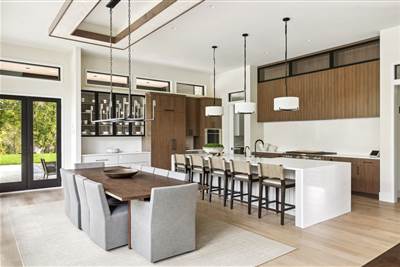
In terms of design, the waterfront kitchen often features a nautical or coastal theme, with color palettes inspired by the water and sky. Hues of blue, green, and sandy tones are popular, creating a calm and refreshing environment. Materials such as weathered wood or stone add a rustic touch, while modern stainless steel appliances provide contrast and functionality. The use of natural materials not only adds to the aesthetic appeal but also ensures durability in the often humid waterfront environment.
Countertops and cabinetry in the waterfront kitchen are designed for both beauty and practicality. Durable surfaces like granite or quartz are common choices, resistant to moisture and easy to maintain. Cabinetry is often in light, breezy tones or natural wood finishes, complementing the overall coastal vibe. A central island or breakfast bar provides additional workspace and a casual dining area, making the kitchen a versatile and inviting space.
Outdoor Living
Outdoor living spaces in waterfront style homes are designed to celebrate and enhance the connection with the water. These areas are thoughtfully crafted to provide comfort, leisure, and a seamless integration with the natural surroundings. Expansive decks, patios, or balconies overlooking the water are common, offering unparalleled views and a perfect setting for relaxation and entertainment.
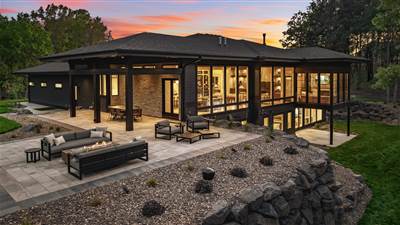
Furnishings in these outdoor spaces are chosen for their durability and ability to withstand the waterfront climate. Materials like teak, aluminum, and all-weather wicker are popular for their resistance to moisture and sun exposure. Comfortable seating arrangements, outdoor rugs, and cushions in coastal colors and patterns add a touch of luxury and style, creating inviting areas for lounging or dining al fresco.
Landscaping in waterfront outdoor living spaces often reflects the natural coastal environment. Native plants, ornamental grasses, and trees are used to create a serene and beautiful setting that blends with the local ecosystem. Outdoor lighting is strategically placed to highlight architectural features, landscape elements, and to provide safety and ambiance in the evenings.
Waterfront homes often include amenities that enhance the outdoor living experience, such as outdoor kitchens, fire pits, or hot tubs. These features not only add to the home’s functionality but also create focal points for social gatherings and family activities. In designing these spaces, the emphasis is on creating an oasis where the tranquility and beauty of waterfront living can be enjoyed to the fullest.
Dining Room
The dining room in a waterfront style home is not just a space for meals; it's an area designed to celebrate the allure of waterside living. Positioned to optimize views of the water, the dining room often features expansive windows or glass doors that open up to a deck or patio. This architectural choice not only allows diners to enjoy stunning views during their meals but also fills the space with natural light, creating an inviting and uplifting ambiance. The proximity to water injects a sense of tranquility and fluidity into the dining experience, making it more than just a routine part of daily life.
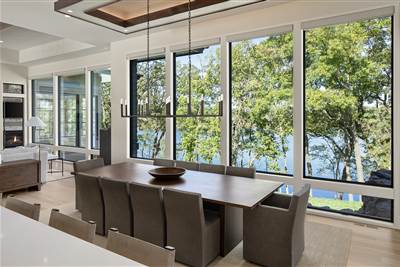
In keeping with the waterfront theme, the interior design of the dining room typically reflects elements of the natural surroundings. The use of a light, airy color palette, often inspired by the hues of the water, sky, and sandy shores, establishes a serene and harmonious environment. Furnishings are chosen to complement this theme, with a sturdy yet stylish dining table taking center stage, often made of natural materials like wood or glass. Chairs are comfortable and elegantly simple, contributing to the room's overall aesthetic without overpowering the natural beauty outside the windows.
Decor in the waterfront dining room balances elegance and a nautical or coastal theme. Decorative touches like artworks depicting marine life, landscapes, or abstract representations of water add character and interest to the room. Accents such as centerpieces made from seashells or driftwood, and tableware in ocean-inspired colors enhance the maritime vibe. These elements are thoughtfully integrated, ensuring they augment rather than dominate the room's ambiance.
Lighting in the waterfront dining room is crucial for creating the right mood for various occasions. During the day, the abundance of natural light makes the space bright and cheerful. In the evenings, a combination of overhead lighting, such as a statement chandelier or pendant lights, and softer accent lighting, like wall sconces or table lamps, provide a warm and inviting atmosphere. This blend of lighting not only illuminates the room effectively but also highlights the unique features of the space, enhancing the dining experience. Whether hosting a formal dinner party or enjoying a casual family meal, the dining room in a waterfront style home offers a unique setting that is both elegant and intimately connected to its stunning natural surroundings.
Living Room
The living room in a waterfront style home is a celebration of its stunning natural setting, designed to provide a tranquil and immersive experience. Central to this living space are large, expansive windows or glass sliding doors that frame the picturesque views of the water. These features not only draw in the beauty of the outdoor landscape but also flood the room with natural light, creating a bright, airy atmosphere. The seamless integration of indoor and outdoor spaces is a key aspect of the waterfront living room, allowing residents to feel connected to the water and nature at all times.
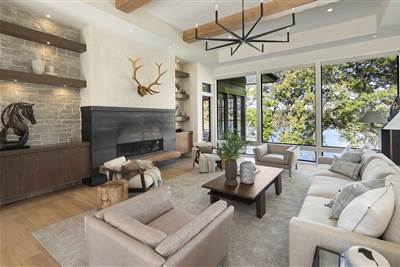
In terms of interior design, the living room in a waterfront home often reflects the tranquility and colors of its surroundings. A palette inspired by the water and sky, with hues of blues, greens, and sandy neutrals, creates a serene and cohesive look. Furnishings are selected for comfort and relaxation, with plush sofas and chairs positioned to take advantage of the views. Natural materials like wood, stone, and linen are used to add texture and complement the home's environment, enhancing the sense of being at one with nature.
Decor in the waterfront living room is thoughtful and purposeful, with an emphasis on enhancing the room's connection to its setting. Decorative elements such as nautical-themed artwork, seashells, and driftwood pieces echo the home's coastal location. Soft furnishings like area rugs, throw pillows, and curtains in natural fabrics add layers of warmth and comfort. The overall ambiance is one of relaxed sophistication, a space where one can unwind and soak in the tranquil beauty of waterfront living.
Lighting in the living room is carefully considered to maintain the balance between functionality and ambiance. During the day, the abundance of natural light makes the space vibrant and welcoming. In the evening, a mix of ceiling fixtures, floor lamps, and table lamps provide a warm, inviting glow. The use of dimmer switches allows for the adjustment of lighting to suit different moods and occasions, ensuring the living room is a versatile space for both quiet evenings and social gatherings.
In a waterfront style home, the living room is more than just a sitting area; it's a focal point of the home that encapsulates the essence of waterfront living. It's a place where the beauty of the outdoors is always present, providing a backdrop for relaxation, entertainment, and contemplation. The design of this room is a harmonious blend of nature, comfort, and elegance, reflecting the unique lifestyle that comes with living by the water.
Water Access
Direct water access is a defining feature of waterfront style homes, allowing residents to fully embrace their unique location. Design considerations for water access focus on both functionality and aesthetics. This might include private docks for boating, steps leading down to the water for swimming, or terraced gardens that gently slope towards the shore. These features are designed to provide easy and safe access to the water while blending seamlessly with the home’s overall design.

The integration of outdoor spaces with water access is key in waterfront homes. Decks, patios, or porches overlooking the water are common, offering spaces to relax, dine, or entertain with the water as a backdrop. These areas are often equipped with comfortable outdoor furniture, lighting, and amenities like grills or fire pits, enhancing the outdoor living experience.
Landscaping around water access points is carefully planned to complement the natural environment and the home’s architecture. Native plants, beach grasses, and other coastal vegetation can be used to stabilize shorelines and provide natural beauty. Walkways or paths leading to the water are constructed with materials like stone or wood, providing safe and easy access while maintaining the aesthetic harmony of the setting.
In designing water access for waterfront homes, considerations for environmental impact and sustainability are also important. Features like natural shoreline buffers, eco-friendly materials, and designs that minimize disruption to the aquatic ecosystem are increasingly common, reflecting a commitment to preserving the beauty and health of the waterfront environment.
Conclusion
The waterfront style home offers a unique living experience, blending architectural beauty with the natural charm of waterside living. From the thoughtfully designed kitchens and living areas to the direct water access and luxurious outdoor spaces, every aspect of a waterfront home is crafted to maximize the enjoyment of its distinctive setting. Whether situated on the serene lakes of Wisconsin or the picturesque riverbanks of Minnesota, these homes provide a perfect blend of luxury, comfort, and harmony with nature.


